The Complete Guide to Working with Heritage Roofing Contractors
Across the UK, historic buildings form an essential part of our architectural identity. From Georgian townhouses and Victorian terraces to listed cottages and converted barns, heritage properties require specialist care-especially when it comes to roofing. Choosing experienced Heritage roofing contractors is not just a preference; it’s a necessity for protecting both the structure and its historical value.
In this complete guide, we’ll walk you through everything you need to know about working with a Heritage Roofing Expert, from understanding regulations to selecting the right materials and ensuring quality craftsmanship.
Why Heritage Roofing Is Different
Unlike modern roofing projects, heritage roofing involves far more than replacing tiles or repairing leaks. Historic properties often feature traditional materials such as:
- Natural Welsh slate
- Clay plain tiles
- Handmade ridge tiles
- Lead flashing and detailing
- Timber structures crafted using traditional joinery methods
These materials and techniques demand specialist knowledge. A standard roofer may not be familiar with conservation requirements, breathability standards for older buildings, or the importance of maintaining original rooflines and detailing.
Heritage roofing contractors understand that every decision impacts not only weatherproofing but also the long-term preservation of the building’s character.

Understanding UK Regulations and Listed Buildings
If your property is listed or located within a conservation area in the UK, you may need Listed Building Consent before carrying out roofing works. Even seemingly minor alterations-such as changing tile types-can require approval.
A qualified Heritage Roofing Expert will:
- Advise you on planning and conservation requirements
- Liaise with local authorities if necessary
- Recommend like-for-like material replacements
- Ensure all work complies with heritage standards
Failing to follow regulations can result in costly penalties and forced reinstatement work, so professional guidance is invaluable.
Key Qualities to Look for in Heritage Roofing Contractors
Not all roofing companies have the expertise required for heritage projects. When selecting a contractor, look for the following:
Proven Heritage Experience
Ask for examples of previous historic or listed building projects. A reputable contractor should have a portfolio demonstrating traditional slate work, lead detailing, or period tile restoration.
Knowledge of Traditional Materials
Heritage roofs rely on materials that behave differently from modern alternatives. For example, natural slate varies in thickness and requires careful grading. Lime mortar, often used in older properties, must be handled correctly to maintain breathability.
Skilled Craftsmanship
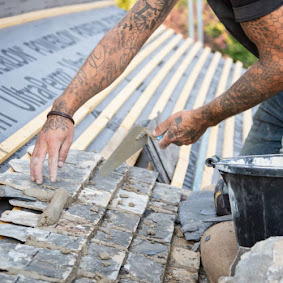
Heritage roofing often involves hand-finishing, precise alignment, and maintaining original roof pitches and patterns. Attention to detail is crucial.
Clear Communication
A reliable Heritage Roofing Expert will explain the scope of work, expected timelines, and potential challenges. Transparency prevents misunderstandings and ensures you remain confident throughout the project.
The Importance of Authentic Materials
Using inappropriate materials can damage both the appearance and performance of a heritage roof. For example:
- Replacing natural slate with concrete tiles can overload older roof structures.
- Installing modern cement mortars may trap moisture, causing timber decay.
- Poor-quality lead flashing can fail prematurely and compromise weatherproofing.
Experienced Heritage roofing contractors source high-quality, authentic materials that match the building’s original style. This ensures structural compatibility and preserves the aesthetic integrity of the property.
Common Heritage Roofing Services
A Heritage Roofing Expert typically offers a range of specialist services, including:
- Full slate roof restoration
- Clay tile replacement and repair
- Leadwork installation and repair
- Chimney stack restoration
- Timber roof structure repairs
- Roofline preservation and detailing
Rather than recommending full replacement, heritage specialists often prioritise careful repair and conservation wherever possible.
What to Expect During the Project
Working on a heritage roof is rarely a quick process. Each stage requires careful planning and execution.
Initial Assessment
The contractor conducts a thorough inspection to evaluate the condition of tiles, battens, flashing, and supporting timbers.
Detailed Quotation
You’ll receive a comprehensive breakdown of materials, labour, scaffolding, and any additional restoration work required.
Conservation-Focused Repairs
Work is carried out using traditional techniques to preserve original features wherever feasible.
Final Inspection
The completed roof is inspected to ensure durability, compliance, and historical accuracy. Professional companies such as GBR Roofing understand that heritage projects demand patience, precision, and respect for the building’s history.

Cost Considerations
Heritage roofing can be more expensive than modern roofing work due to:
- Specialist skills required
- Premium traditional materials
- Longer project timelines
- Conservation compliance
However, investing in qualified Heritage roofing contractors protects your property’s value and prevents costly structural issues in the future. Cutting corners on historic buildings often leads to more extensive repairs later.
Long-Term Maintenance Tips
Once your heritage roof has been restored or repaired, ongoing maintenance is essential. Consider the following:
- Schedule annual roof inspections
- Keep gutters and drainage systems clear
- Address minor tile or slate damage promptly
- Monitor lead flashing and chimney stacks
Regular care extends the lifespan of traditional roofing materials and reduces the need for major interventions.
Conclusion
Heritage properties are an irreplaceable part of the UK’s architectural landscape. Maintaining their roofs requires specialist knowledge, traditional craftsmanship, and a clear understanding of conservation regulations. By choosing experienced Heritage roofing contractors and working with a qualified Heritage Roofing Expert, you ensure your historic building remains structurally sound and visually authentic for generations to come.
Read More: How Heritage Roof Repairs Protect Historic Buildings


Comments
Post a Comment