Heritage Construction and Roofing: Best Maintenance Practices
Heritage buildings are a physical link to our past, telling stories through stone, timber, lime mortar, and traditional roofing materials. Preserving these structures requires more than standard repair work; it calls for a deep understanding of heritage construction and roofing and the careful maintenance practices that protect both character and structural integrity. Whether it is a listed cottage, a historic farmhouse, or a period townhouse, ongoing maintenance is the key to longevity.
Understanding the Nature of Heritage Buildings
Unlike modern properties, heritage buildings are designed to breathe. Traditional materials such as lime mortar, solid stone walls, timber frames, and natural slate or stone tiles all work together to manage moisture naturally. Heritage construction and roofing relies on balance rather than barriers, allowing water vapour to pass through materials instead of trapping it inside.

One of the most common mistakes in maintaining older buildings is introducing modern materials that are incompatible with traditional construction. Cement-based mortars, synthetic membranes, or inappropriate insulation can lead to damp, decay, and long-term damage. Proper maintenance respects the original design and materials, ensuring repairs enhance rather than undermine the building.
Regular Inspections Are Essential
Routine inspections are one of the most effective maintenance practices for heritage construction and roofing. Small defects, if identified early, are far easier and more affordable to repair. Roof coverings should be checked at least once a year and after severe weather. Look for slipped slates, cracked stone tiles, deteriorating ridges, and blocked gutters.
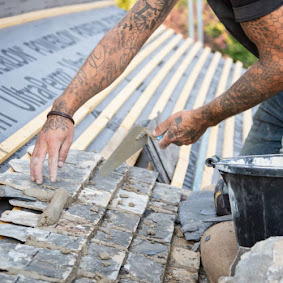
Stone slate roofs, particularly those associated with historic villages, require specialist knowledge. Engaging a skilled collyweston roofer ensures that traditional roofing systems are properly assessed and maintained using authentic materials and methods. These roofs are heavy and uniquely detailed, so even minor repairs must be carried out with precision.
Gutter and Rainwater Maintenance
Effective water management is critical in heritage buildings. Blocked gutters and downpipes are a leading cause of damp and masonry damage. Leaves, moss, and debris should be cleared regularly to prevent water overflow, which can erode stonework and saturate walls.
Rainwater goods made from cast iron or traditional materials should be repaired rather than replaced where possible. Maintaining these original features supports both the appearance and performance of the building. In heritage construction and roofing, preservation is always preferable to replacement.
Masonry and Mortar Care
Walls are just as important as roofs when it comes to protecting a historic structure. Lime mortar joints should be inspected for erosion, cracking, or inappropriate past repairs. Repointing should always be done using a compatible lime mix that matches the original composition.
Hard cement pointing can trap moisture within the walls, leading to spalling stone and internal damp issues. A knowledgeable collyweston roofer often works closely with heritage masons to ensure roofing and masonry function together as intended.
Managing Moss and Vegetation
Moss, lichens, and vegetation are common on older roofs and walls. While some growth can be harmless, excessive moss retains moisture and can dislodge tiles or block drainage channels. Removal should be gentle and non-invasive, avoiding pressure washing or harsh chemicals that could damage surfaces.

In heritage construction and roofing, cleaning methods must be chosen carefully to preserve patina while preventing deterioration. Soft brushing and natural treatments are usually the safest approach.
Choosing Skilled Heritage Specialists
Not all contractors are equipped to work on historic buildings. Maintenance and repairs should always be undertaken by specialists who understand traditional methods. An experienced collyweston roofer brings valuable expertise in handling stone slate roofs, lead detailing, and historic timber structures.
Working with professionals who appreciate the significance of heritage buildings ensures compliance with conservation guidelines and planning requirements. Companies such as GBR Roofing have demonstrated the importance of combining craftsmanship with respect for architectural history.
Preventive Maintenance Saves History
Preventive maintenance is the cornerstone of successful heritage care. Keeping detailed records of inspections, repairs, and materials used helps guide future work and maintains continuity. This proactive approach reduces emergency repairs and extends the life of original features.
Heritage construction and roofing is not about freezing a building in time, but about allowing it to age gracefully while remaining functional and safe.
Conclusion
Maintaining a heritage building is a responsibility as much as it is a privilege. Through regular inspections, compatible materials, careful water management, and the use of skilled specialists such as a trusted collyweston roofer, historic properties can be preserved for future generations. Thoughtful maintenance practices protect not only the structure itself but also the craftsmanship, character, and history embedded within every stone and slate.
Read More: Collyweston Roofer Advice for Preventing Roof Damage


Comments
Post a Comment